The real cost of Производство шкафов-купе: hidden expenses revealed
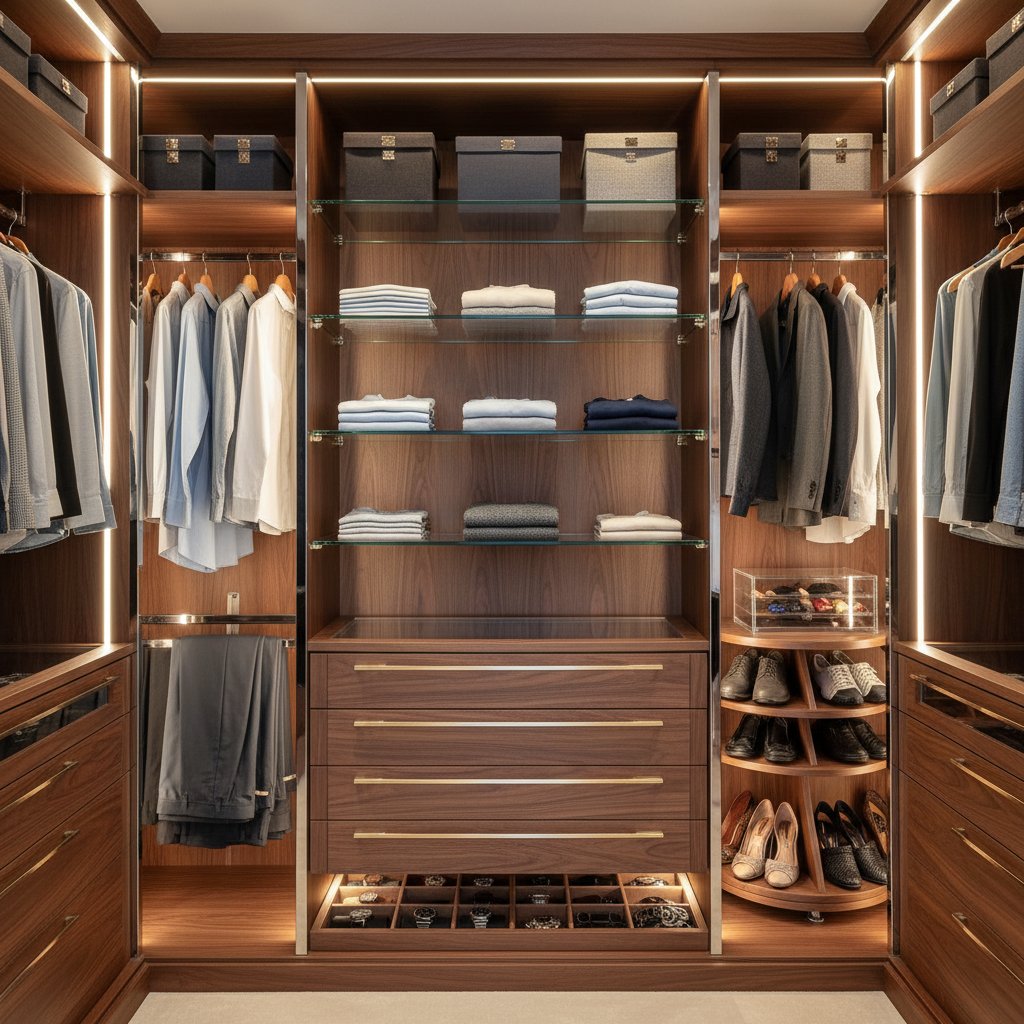
The $3,000 Sliding Wardrobe That Actually Cost $4,200
Last month, my contractor friend Viktor called me at 11 PM, his voice a mix of frustration and disbelief. His custom sliding wardrobe business—which had been profitable for three years—suddenly showed losses for two consecutive quarters. The kicker? His order book was fuller than ever.
Turns out, he'd been bleeding money through a dozen tiny cuts he never saw coming. His story isn't unique. The sliding wardrobe manufacturing industry operates on margins that look healthy on paper—typically 35-40%—but hidden costs can slash that figure to single digits faster than you can say "furniture board."
The Obvious Costs (That Everyone Gets Wrong Anyway)
Most manufacturers nail down the big-ticket items: materials, labor, rent. But even here, the devil hides in the details.
Material waste alone accounts for 12-18% of raw material costs in typical operations. That particleboard doesn't cut itself perfectly, and those aluminum profiles? You're losing 8-10 cm per cut, minimum. Multiply that across 200 wardrobes per month, and you're throwing away enough material to build 15-20 additional units.
Then there's the labor miscalculation. Your installer might clock six hours on-site, but did you factor in travel time, the hour spent fixing that measurement error, or the 45 minutes explaining finish options to an indecisive client? Real installation time averages 8.3 hours per wardrobe, not the six you quoted.
The Invisible Money Pit: Measurement Errors
Here's where things get expensive. A single millimeter error in measurement can cascade into a $300-800 problem. The panel needs reordering. Production stops. Your installer makes a second trip. The client gets anxious.
Industry data suggests that 23% of custom wardrobe projects involve at least one remeasurement or correction. For a mid-sized operation producing 150 units monthly, that's roughly 35 projects with extra costs. At an average correction cost of $450, you're looking at $15,750 monthly in hidden expenses.
Viktor's breakthrough came when he invested in laser measurement tools and a verification protocol. His error rate dropped to 7%, saving approximately $7,200 monthly.
The Hardware Headache
Sliding mechanisms, handles, and soft-close systems represent another minefield. That $45 sliding system you specified? The client wants the whisper-quiet German one for $120 instead. Sometimes you eat the difference to close the deal. Sometimes you don't, and lose the client entirely.
Budget an additional 15-20% on hardware costs for upgrades and replacements. Clients change their minds. Mechanisms fail during installation. Finish options don't match after delivery.
The Timeline Trap
Every day of production delay costs money in ways that don't appear on spreadsheets. Your workshop space sits idle. Staff wait around. The client calls daily for updates.
Material delivery delays hit 40% of orders in the current supply environment. A five-day delay on a project with a 15-day turnaround might seem manageable, but it compresses your production schedule, forces overtime, and potentially delays the next project.
Smart manufacturers now add 20-25% buffer time to quoted delivery dates and maintain relationships with multiple suppliers. Yes, this means occasionally delivering early—but it beats the alternative.
What the Profitable Shops Know
After interviewing seven established wardrobe manufacturers with consistent profitability, patterns emerged. They track metrics most shops ignore entirely.
Successful operations monitor cost-per-square-meter religiously, updating it monthly. They know their actual material waste percentage. They've calculated the true cost of measurement errors and built prevention systems accordingly.
One manufacturer in Moscow shared that implementing a digital design approval system—where clients sign off on 3D renderings before production—reduced change orders by 67%. That single change added 8% to his bottom line.
The Real Numbers
For a standard 2.5-meter sliding wardrobe with three doors, here's what the actual cost breakdown looks like when you include hidden expenses:
- Base materials: $850
- Hardware and mechanisms: $280
- Labor (including real time): $420
- Material waste (15%): $128
- Measurement error contingency (7%): $118
- Overhead allocation: $180
- Delivery and installation complications: $95
Total real cost: $2,071 for a wardrobe typically quoted at $2,400-2,600. Your actual margin? Maybe 18-22%, not the 40% you thought.
Key Takeaways
- Material waste typically adds 12-18% to raw material costs—measure and track it monthly
- Measurement errors affect 23% of projects; invest in prevention, not correction
- Real installation time runs 30-40% longer than quoted time
- Hardware upgrades and changes add 15-20% to component costs
- Buffer your timelines by 20-25% to avoid expensive compression
- Your actual margin is probably 15-20% lower than spreadsheet projections suggest
Viktor's business? He's profitable again. Not because he raised prices dramatically, but because he stopped pretending those hidden costs didn't exist. He built them into his quotes, his processes, and his expectations.
The wardrobes still slide smoothly. The clients are still happy. But now the bank account reflects the work being done, not just the fantasy version of it.