Why most Производство шкафов-купе projects fail (and how yours won't)
The $8,000 Wardrobe That Never Fit
Maria spent three months planning her dream sliding wardrobe system. She measured twice, picked the perfect finishes, and hired what seemed like a reputable manufacturer. Six weeks later, the installers showed up with panels that were 4 inches too wide for her bedroom alcove. The entire project had to be scrapped and restarted, costing her an additional $3,200 and two months of living with clothes piled on her bed.
She's not alone. About 40% of custom wardrobe projects end up with significant issues—wrong measurements, delayed deliveries, or finishes that don't match what was promised. I've seen this pattern repeat itself for nearly a decade, and the culprits are always the same.
Where It All Goes Wrong
The failure usually starts before a single piece of wood gets cut. Most people think the hard part is choosing between matte or glossy finishes. Wrong. The disaster begins with three critical mistakes:
The Measurement Myth
Here's what typically happens: A sales rep comes to your home, whips out a laser measure, scribbles some numbers on a tablet, and leaves after 20 minutes. Seems professional, right? Except they measured at eye level without checking if your walls are plumb. Spoiler alert: they're probably not. Old buildings can have wall variations of up to 2-3 centimeters over a 3-meter span. That's enough to make your sliding doors jam or leave embarrassing gaps.
The Communication Black Hole
You approve a design on paper. The factory receives a different specification. The installers show up with something that vaguely resembles what you ordered. I've watched this telephone game play out dozens of times. One client asked for soft-close mechanisms on all doors—a detail worth about $180. It never made it to the production sheet. Nobody caught it until installation day.
The Timeline Fantasy
Manufacturers quote 4-6 weeks because it sounds reasonable. What they don't mention: that clock starts only after final approval AND payment, doesn't include design revisions, and assumes their suppliers actually have your chosen materials in stock. The real average? 8-11 weeks from first meeting to installation.
Red Flags You Can't Ignore
Before you sign anything, watch for these warning signs:
- The quote arrives within 24 hours of measurement (they're guessing, not calculating)
- No mention of wall preparation or who handles it (spoiler: they assume you will)
- Price is 30% or more below competitors (they're cutting corners somewhere specific)
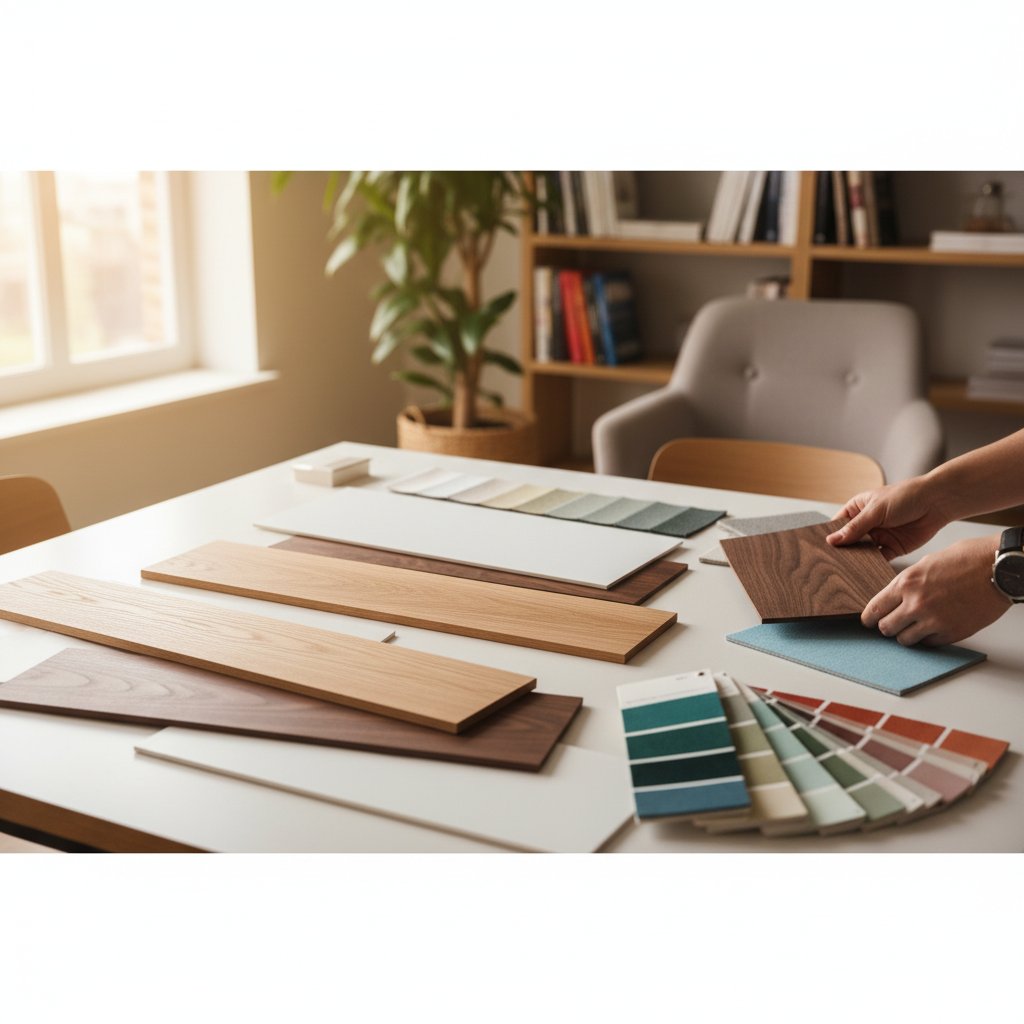
- No physical samples of materials, just photos or catalogs
- Payment schedule demands more than 50% upfront
Your Five-Step Survival Guide
Step 1: Demand a Technical Survey
Don't settle for quick measurements. Insist on a full technical survey that checks wall plumbness, floor levelness, and ceiling height at multiple points. This should take at least 45 minutes for a standard bedroom wardrobe. The surveyor should use a level, not just a laser measure. If they refuse, walk away.
Step 2: Get Everything in Writing (Literally Everything)
Your contract needs specific material codes, not descriptions like "white glossy finish." It should read: "Egger U11027 ST9 Arctic White." Same for hardware—not "soft-close hinges" but "Blum Blumotion 71B3550 hinges, quantity 12." This precision eliminates 90% of disputes.
Step 3: Build in a Buffer Zone
Ask the manufacturer to design with 5mm adjustment tolerance on each side. Yes, you lose 1cm of storage width. You gain peace of mind and wardrobes that actually fit. This also gives installers room to work with those non-plumb walls we talked about.
Step 4: Stage Your Payments Properly
Never pay more than 30% upfront, 40% when materials arrive at your location (not when they leave the factory), and 30% after successful installation and a 48-hour testing period. This keeps everyone motivated to finish properly.
Step 5: Inspect Before Installation
When materials arrive, check them against your specification sheet before letting installers proceed. I mean actually check—open boxes, verify colors in natural light, test mechanisms. Finding a wrong panel color takes 10 minutes now or 3 weeks if you catch it after installation.
Making It Stick
The difference between a nightmare project and a smooth one often comes down to documentation and realistic expectations. Take photos of your approved samples. Keep a shared spreadsheet of specifications that both you and the manufacturer update. Add 25% to whatever timeline you're quoted.
Most importantly, trust your gut. If something feels rushed or unclear, it probably is. The best wardrobe manufacturers I've worked with are almost boring in their thoroughness—they measure three times, ask annoying questions, and under-promise on timelines. That's exactly what you want.
Your sliding wardrobe should last 15-20 years. Spending an extra week on planning and verification isn't perfectionism—it's common sense.